





Buying Guides
IP vs Analogue HD CCTV: Which Should You Buy?
 Buying Guides
Ten years ago this was an easy one. IP was better and cost a lot more, analogue was cheap and looked it. Neither half of that is true any more. A good analogue HD camera now records 5MP or 8MP in colour at night, and an IP kit costs about what an analogue one does once you’ve bought the power supplies for the coax. So the question isn’t really quality. It’s cable.
What actually differs
| IP | Analogue HD | |
|---|---|---|
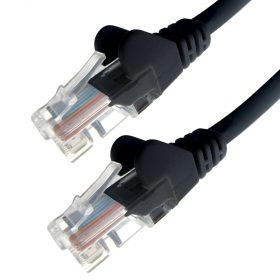
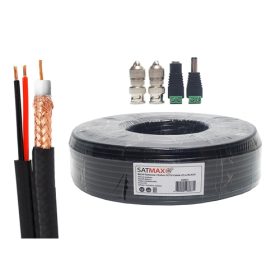
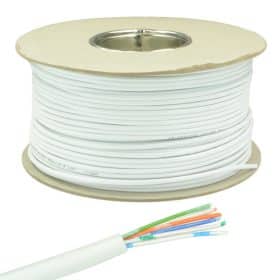
| Cable | Cat5e or Cat6, one per camera | RG59 coax, usually with two power cores alongside |
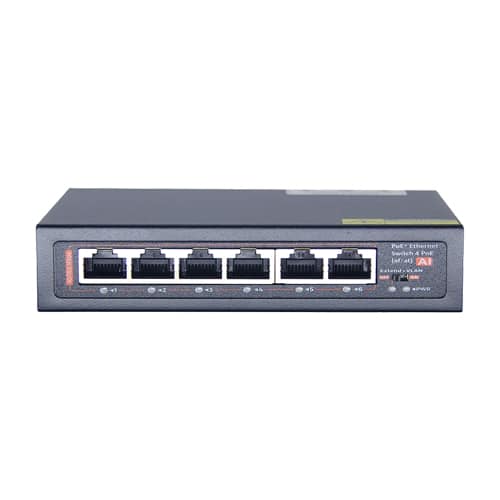
| Power | PoE from the recorder or a switch | 12V supply at the recorder end, or power over coax on PoC models |
| Longest simple run | 100 metres, patch leads included | Several hundred metres on decent RG59 |
| Recorder | NVR | DVR |
| Audio | One-way or two-way, depending on the camera | Usually one-way, carried over the coax on audio models |
| Resolution | Up to 8MP and beyond | Up to 8MP |
| Best reason to choose it | New cable, features, talk-back | Old coax already in the walls |
Read down the analogue column and one row does most of the work. The last one.
Where analogue HD still wins
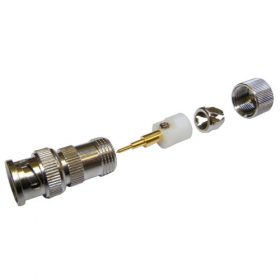
Existing cable. If a house or a shop already has coax running to six camera positions from an old system, swapping the cameras and the DVR gets you a modern HD picture without lifting a single floorboard. That’s a morning’s work against two days of pulling network cable through finished rooms. Old coax is usually fine, as long as the BNC plugs on the ends get replaced, because those are what’s usually corroded.
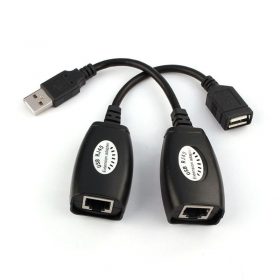
Long runs are the other case. A network cable stops at 100 metres. A camera at the far end of a yard or a long farm drive is comfortably within reach of analogue HD on proper copper-cored RG59, where IP would need a switch or an extender halfway along, and a box in a hedge needs power of its own.
And analogue is simple. No IP addresses. Plug the camera in, it appears on the screen. For someone fitting four cameras to their own house for the first time, that matters more than a spec sheet admits.

Where IP pulls ahead
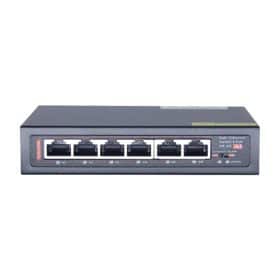
One cable. On a new install that’s the whole argument for most people, because PoE carries the power down the same Cat5e as the picture and there’s no separate supply to mount and hide. Neat jobs are quicker jobs.
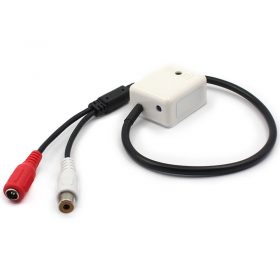
Two-way audio is the next one. A camera with a speaker lets you tell a delivery driver to leave the parcel behind the bin, or tell someone at the back gate at two in the morning that they’re being recorded. It’s far more common on IP cameras. Most analogue audio cameras, including every one in our analogue kits, can listen. They can’t talk.
IP cameras also do more of their own thinking. Telling a person from a car happens inside the camera rather than on the recorder, and so do line-crossing alerts. Many have an SD card slot as well, which gives each camera somewhere to record if the network drops. The resolution ceiling is higher too, which matters on a wide car park and doesn’t matter much on a front door.
What it costs
Camera for camera, analogue is still a bit cheaper. The gap narrows once you price the whole job. An analogue system needs a power supply and a lead out to every camera, where an IP system takes its power from the NVR’s PoE ports. Labour is where the real money is if you’re paying someone. One cable is faster to pull than two.
If you’re reusing cable the sums swing hard towards analogue, because the expensive part of any install is getting cable into the building.
Mixing the two
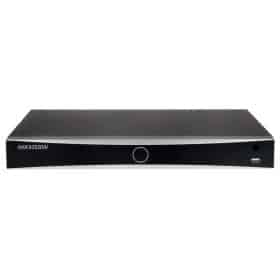
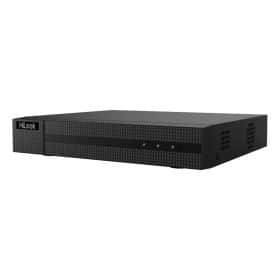
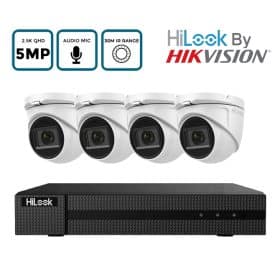
You don’t have to choose once and for ever. Most current DVRs are hybrid. HiLook’s four-channel DVR-204Q-M1(E), for example, takes TVI, AHD, CVI and old CVBS cameras on its coax inputs and accepts IP cameras over the network as well. So a shop can keep its coax cameras inside and add an IP camera with two-way audio at the back door. Check the IP channel count on the datasheet before you plan round it. DVR vs NVR covers the recorder side in more detail.
What not to do
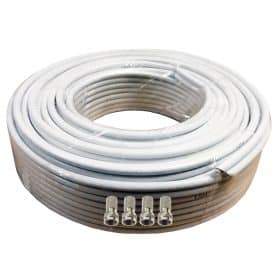
Don’t fit analogue cameras on new network cable using baluns because it looked cheaper. Baluns work, and they’re the right answer for squeezing a camera onto a spare pair in existing Cat5e, but on a new install you’ve pulled network cable anyway, so fit IP and get the benefits. Don’t use satellite coax for long analogue runs either. Most of it has a copper-coated steel core that’s fine for a dish and poor for CCTV video and power, which our guide to RG59 and RG6 for CCTV explains.
And whichever way you go, don’t let anyone sell you copper-clad aluminium network cable. It’s cheaper for a reason.

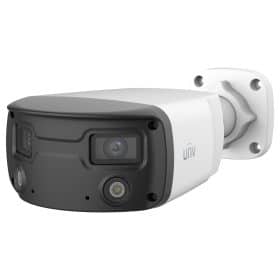
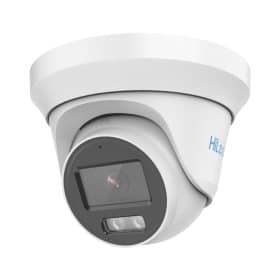
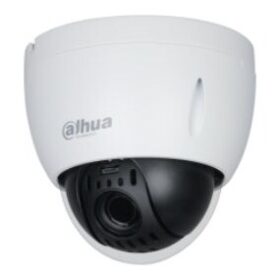
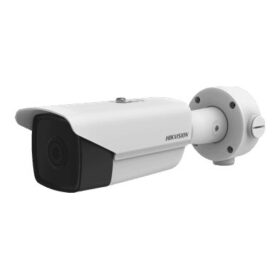
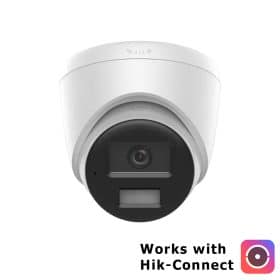
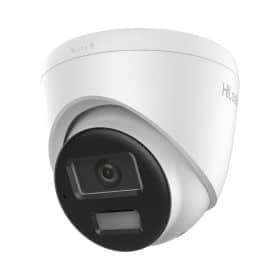
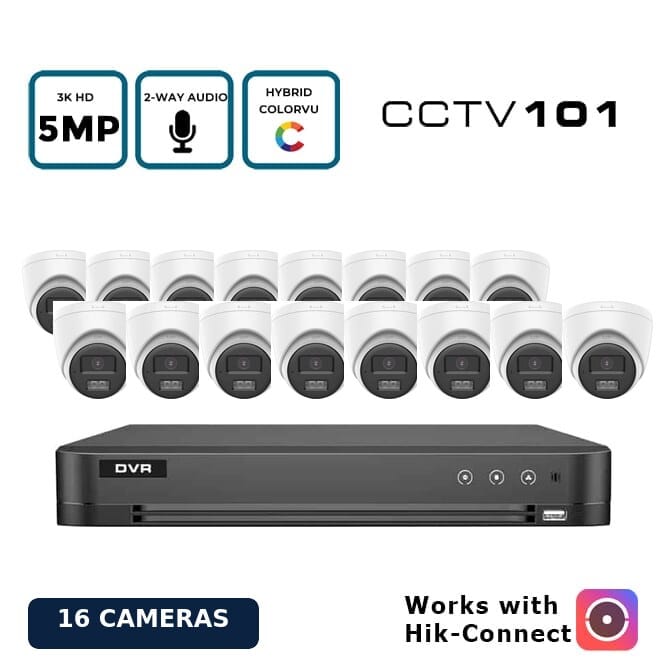
IP camerasPoE turrets, bullets and domes from HiLook, Hikvision, Dahua and Uniview.
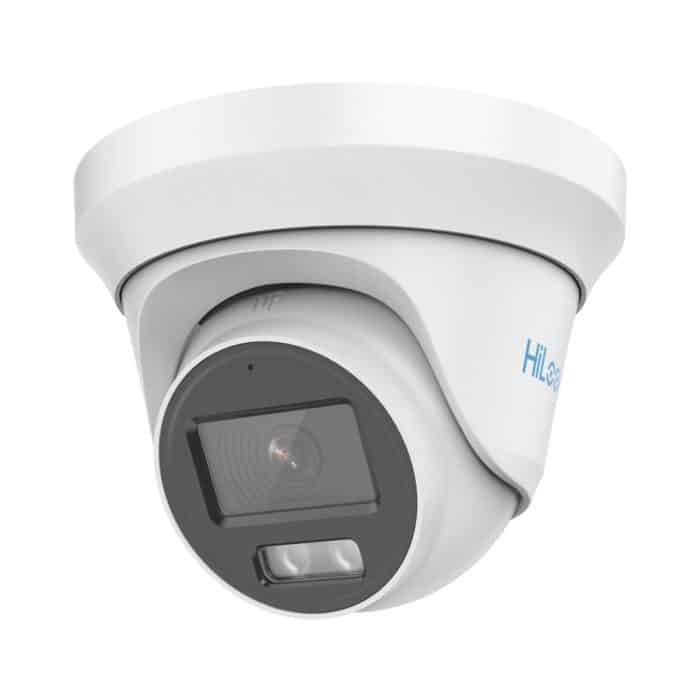
Analogue HD cameras4-in-1 coax cameras, including colour-at-night and audio models.
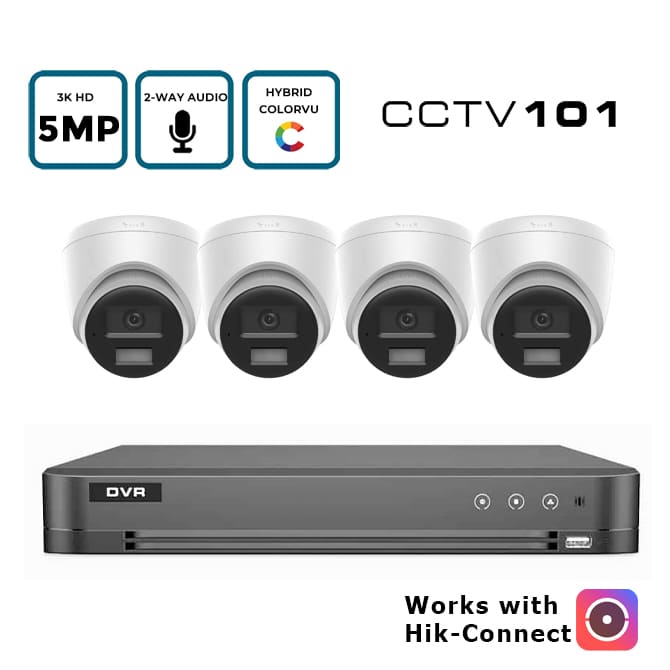
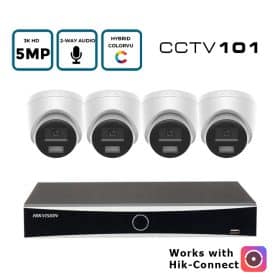
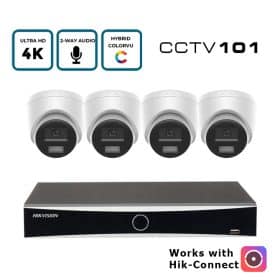
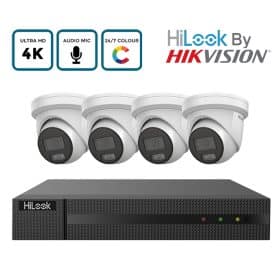
IP CCTV kitsCameras, NVR and drive in one bundle, four to eight cameras.
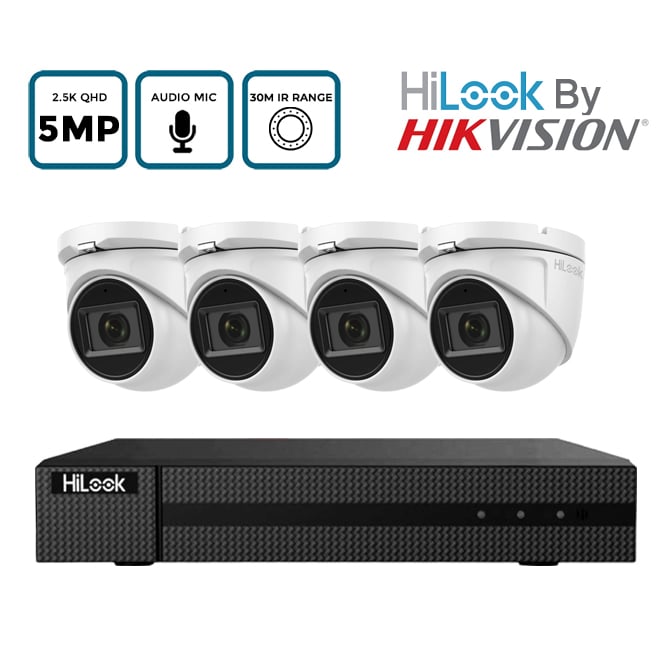
Analogue HD kitsThe coax version, with the power supply in the box.
Still undecided? Our CCTV kit buying guide walks through the other choices in order. If you’d rather ask, use the contact form and tell us what cable is already in place. That one fact decides it more often than not.
Frequently asked questions
Is IP CCTV better than analogue?
On a new install, usually yes. You get one cable per camera and talk-back on the cameras that have a speaker. Where coax is already in the walls, analogue HD gives a sharp modern picture for far less work.
Can I use my old coax for HD cameras?
Usually. Analogue HD cameras run on the same RG59 that older systems used. Replace the BNC plugs at both ends and swap the old DVR for an HD one.
Can I connect IP cameras to a DVR?
Many current DVRs are hybrid and take a few IP cameras alongside the coax ones. The number of IP channels varies by model, so check the datasheet.
Do IP cameras need the internet?
No. They need a network cable to the recorder or a switch. The internet only comes into it when you want to view the cameras away from home.