




Buying Guides
CCTV for Small Businesses: What to Fit and Why
 Buying Guides
A home system is there so you can see who came round. A business system has a harder job. Its footage has to be good enough for the police to act on, and the system has to be lawful from the day it goes up. Get those two right and the camera count mostly follows.
Put the cameras where the evidence is
Most business cameras are badly placed in the same way, high in a corner on a wide lens and looking down at the tops of heads. You get a lovely overview of the shop floor and not one usable face. Useless.
Give every camera a job, and make the most important job identification. In a shop that means a camera at the entrance, at about head height, looking in at people as they arrive, so it catches faces square on. Another over the till, aimed at the customer’s side of the counter. Then cover the stockroom and the back door, because a lot of loss in small retail walks out of the back rather than the front. The wide overview camera comes last. Not first.
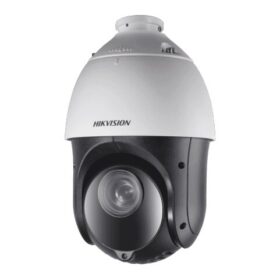
Offices are simpler. Much simpler. Cover the entrances, reception, the car park and the comms cupboard if it holds anything worth stealing. Warehouses and yards need the opposite of a shop. Big areas and long distances, often in poor light. That’s where varifocal 8MP cameras and PTZs start to earn their price, and where IP on network switches beats coax for reach. PTZ cameras explained covers when one is worth it.
What UK GDPR expects
A business doesn’t get the domestic exemption a householder might. Your CCTV records people, so data protection law applies from the start. In practice that means a handful of things, and they’re not onerous once done:
- Have a clear reason, such as preventing theft and keeping staff safe, and write it down. The ICO recommends a data protection impact assessment for surveillance. For a small shop it can be a short document.
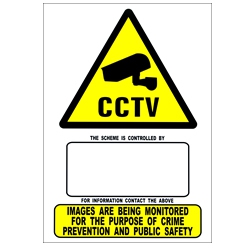
- Put up signs that say CCTV is in use and who runs it, with a contact if that isn’t obvious. Our guide to CCTV signs and the law covers wording and placement.
- Keep footage only as long as you need it. Many businesses settle on about a month, which gives time to notice an incident and pull the clip. Pick a period and stick to it.
- Be ready to hand people footage of themselves if they ask, within a month, blurring anyone else in the frame.
- Keep cameras out of private spaces. Toilets and changing areas, never. Staff rooms, only with a very good reason.
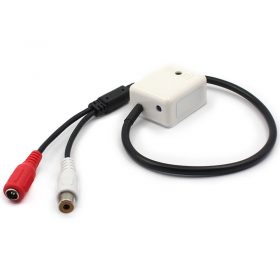
Audio is a separate question, and the ICO’s answer for businesses is that it should be off unless you can justify it. CCTV with audio explains why, and how to switch it off.
The recorder: retention and protection
Work backwards from how long you’ll keep footage. A month of continuous recording from eight 4MP cameras needs roughly 13TB, and from eight 8MP cameras roughly twice that. Motion-based recording stretches it a long way, but businesses usually prefer continuous recording on the cameras that matter, because the minutes before an incident are often the useful ones. What size hard drive for CCTV has the full table, and what size NVR covers channels and bandwidth.
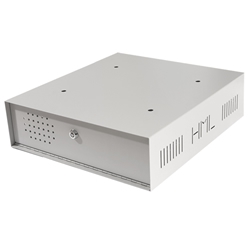
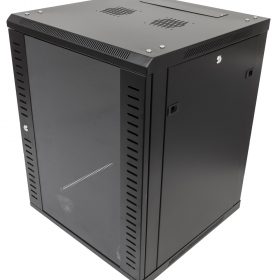
Then protect it. A recorder on a shelf by the till is the first thing a thief who knows what it is will take. Put it somewhere out of sight, ideally inside a lockable steel enclosure bolted to the wall of a back office or a cupboard that a stranger walking in off the street wouldn’t think to open, let alone have the time or the tools to get into. A small UPS keeps it recording if someone trips the power, and Hik-Connect alerts reach your phone the moment something trips them, before anyone can get to the recorder.

Getting footage out
When something happens, you’ll want a clip on a USB stick quickly. Practise once before you need to. It takes five minutes. Check the clock on the recorder is right, because a timestamp an hour out because of the clocks changing gives a defence something to pick at. Set the recorder to sync its time automatically.
Alarms and door entry
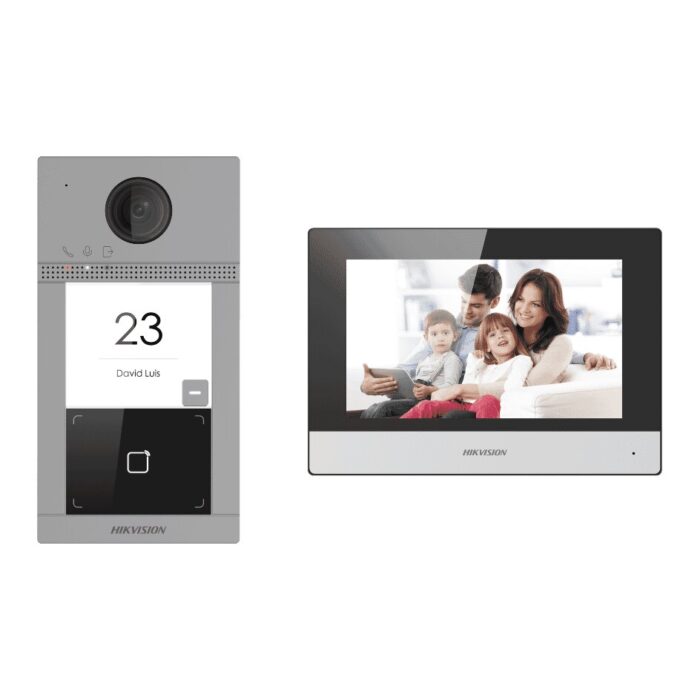
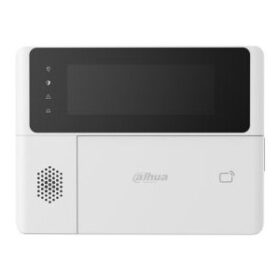
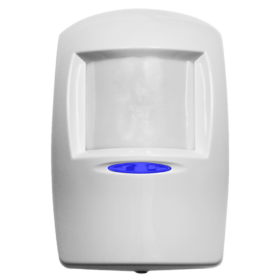
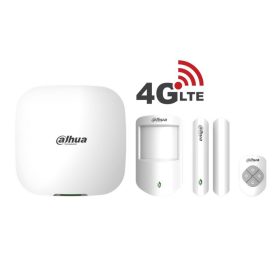
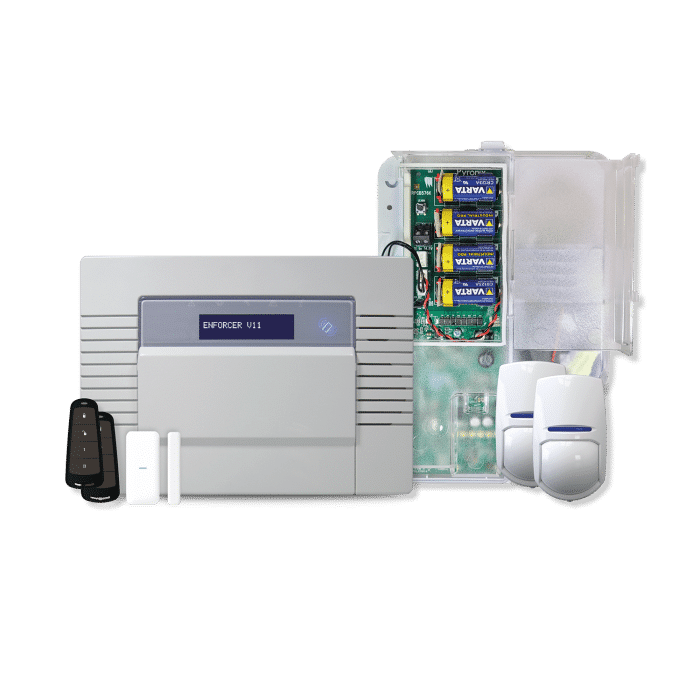
Cameras record what happened. An intruder alarm stops it happening at night, when nobody is watching the screens, and a wireless one like the Pyronix Enforcer goes into a finished shop without chasing cable. A video intercom on the staff or goods door does a similar job by day. Both are worth pricing alongside the CCTV.
Who fits it
We supply. We don’t install. Plenty of small business owners fit a four- or eight-camera system themselves, especially in a shop with a suspended ceiling where the cables run easily. Bigger or more complicated sites are better done by an installer, and our trade counter exists largely for them. If you install for businesses, a trade account gets you trade pricing and shows the Hikvision and Dahua prices.
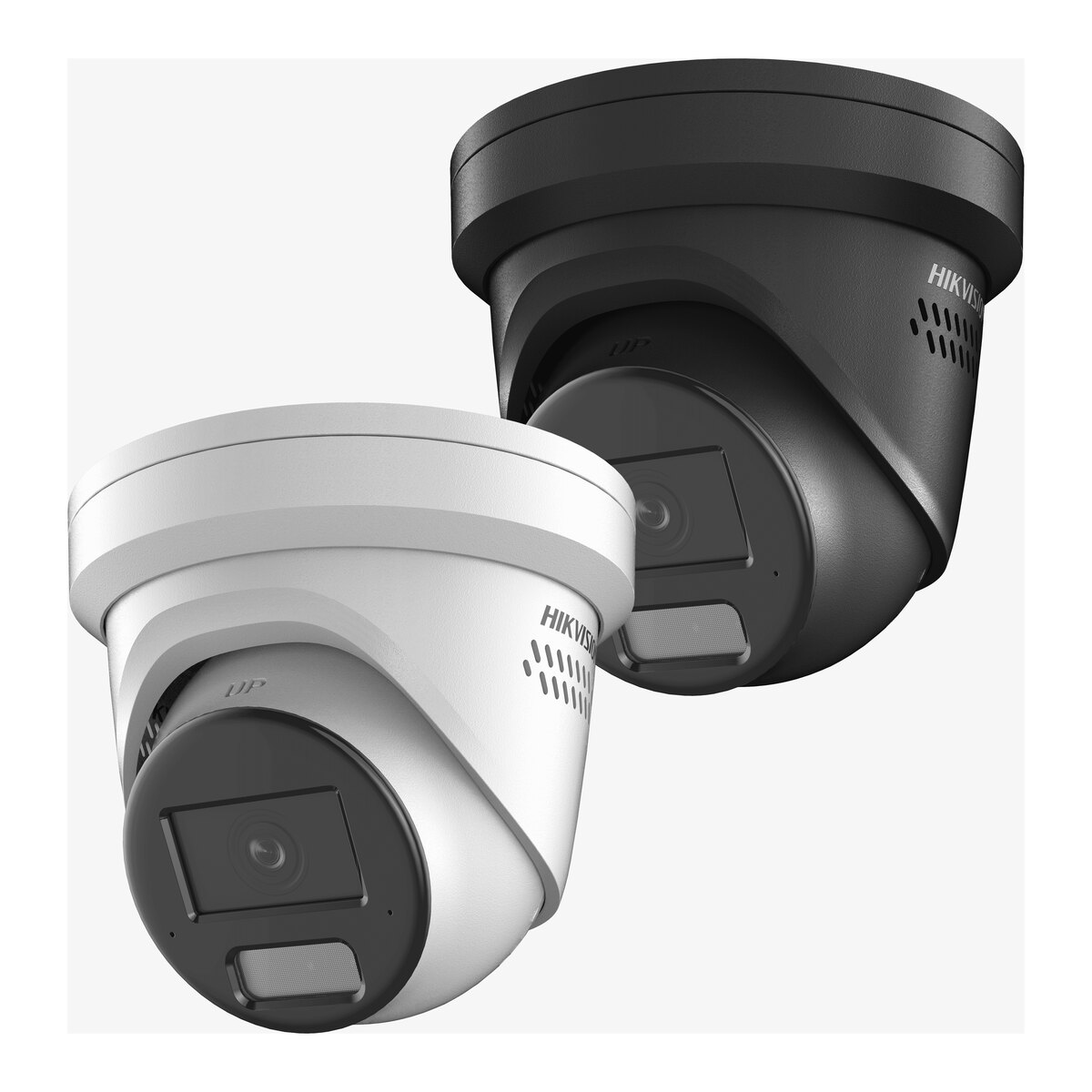
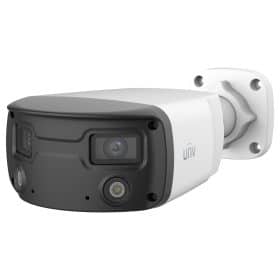
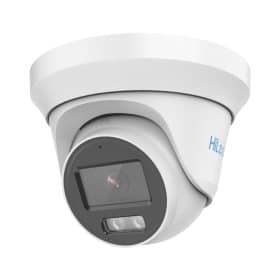
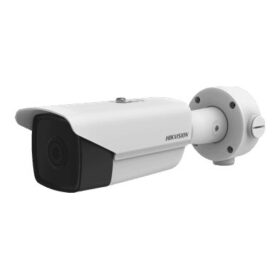
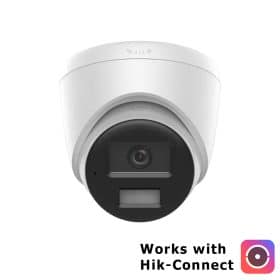
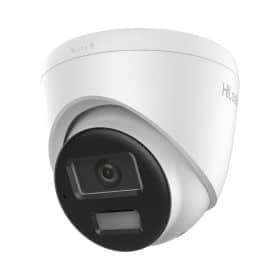
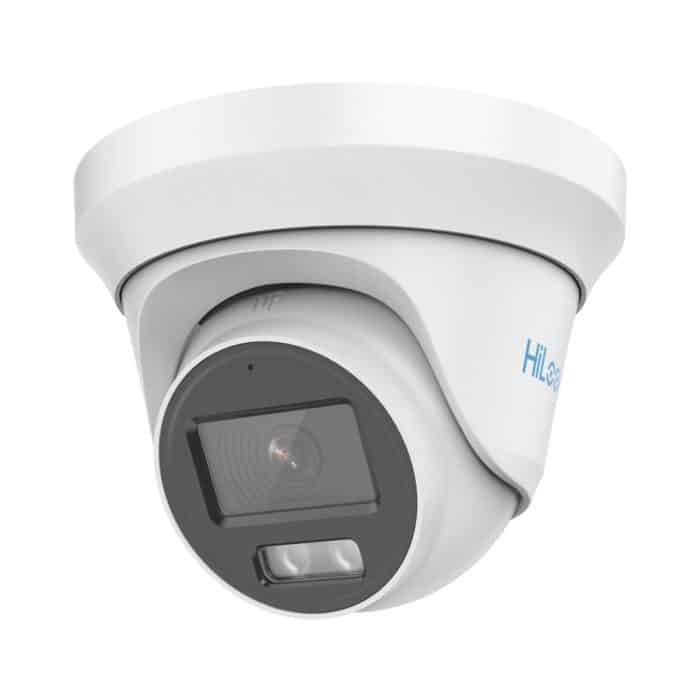
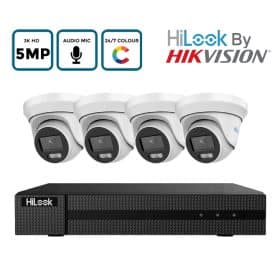
IP camerasAcuSense and LiveGuard models that sort people from vehicles and can talk back.

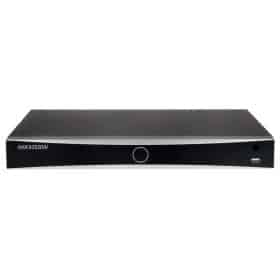
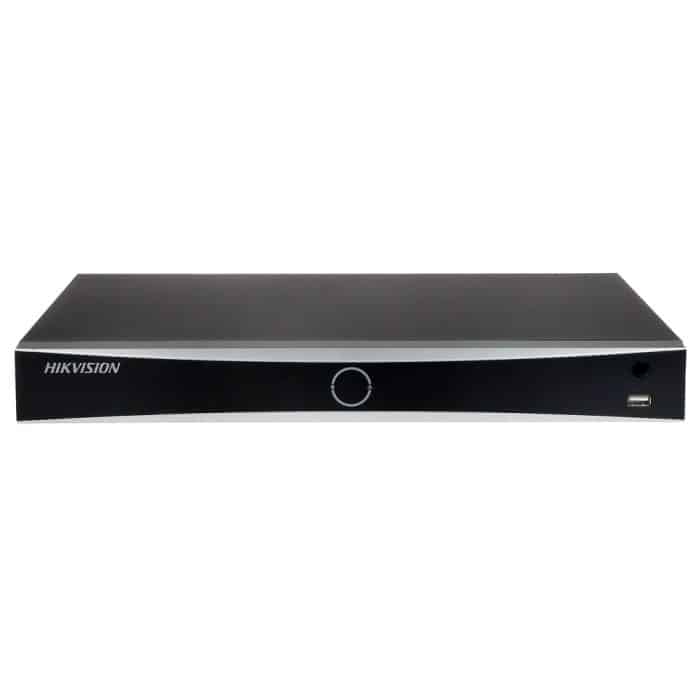
Hikvision 16-channel PoE NVRSixteen PoE ports and 256 Mbps of incoming bandwidth.
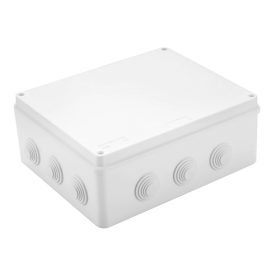
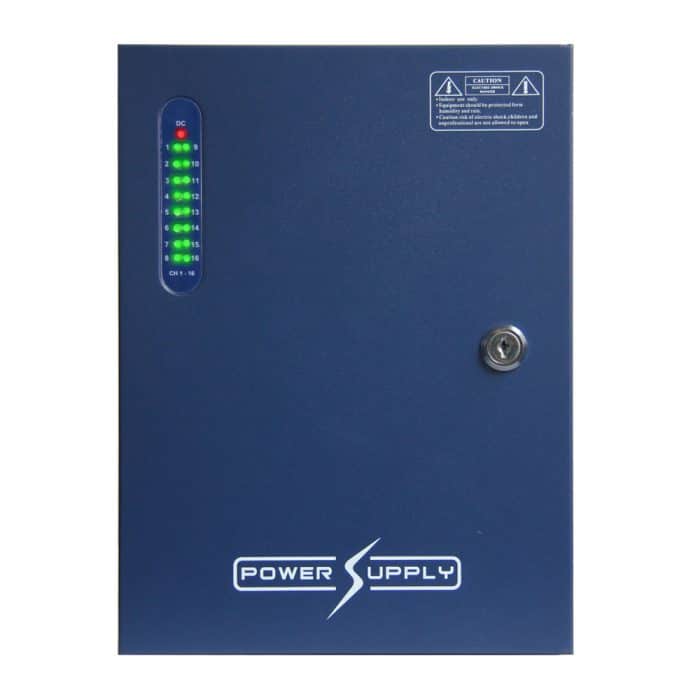
Lockable recorder boxesKeep the recorder, and the evidence, on the premises.

CCTV signsA3 to A5 warning signs and window stickers.
For the general choices, such as camera type and night vision, the CCTV kit buying guide applies to businesses too. And if you’re specifying a system for a shop or a unit and want a second pair of eyes on the camera list, send it through our contact form.
Frequently asked questions
Do businesses need permission to have CCTV?
No permission is needed, but UK data protection law applies. You need a clear purpose, visible signs, a sensible retention period, and a way to handle requests for footage.
How long should a business keep CCTV footage?
No longer than you need it. There is no fixed legal period, and many small businesses choose about 30 days. Decide on a period and apply it consistently.
Can I put CCTV in my staff room?
Only with a strong justification and after telling staff. Never in toilets or changing areas.
What is the best CCTV for a small shop?
Usually four to eight IP cameras on a PoE NVR. The two that matter most are a head-height camera at the entrance and one over the till.